
 Send Inquiry
 Send Inquiry
Injection Moulding
Injection Moulding Specification
- Type
- Injection Moulding
- Material
- P20 Steel
- Plastic Material
- ABS, PC, PP, PE
- Shaping Mode
- Plastic Injection Mould
- Mold Base
- Plastic Mould Base
- Working Temperature
- 120-150C
- Surface Treatment
- Polished
- Size
- Customized
- Width
- As per requirement
- Length
- As per requirement
- Color
- Silver
- Application
- Automotive, Electronics, Consumer Goods
- Tolerance
- ±0.01 mm
- Lead Time
- 25-40 Days
- Cavity
- Single/Multiple
- Mould Life
- 500,000-1,000,000 shots
- Hardness
- 30-38 HRC
- Packaging
- Wooden Box
- Design Software
- UG, Pro-E, AutoCAD, Solidworks
- Ejection System
- Ejector Pin or Plate
- Finish Type
- High Gloss/Matte
- Runner System
- Hot/Cold Runner
Injection Moulding Trade Information
- Minimum Order Quantity
- 1000 Pieces
- Supply Ability
- 1000 Pieces Per Day
- Delivery Time
- 1 Week
- Sample Available
- Yes
- Main Domestic Market
- Maharashtra, All India
About Injection Moulding
Sohum Autogas Systems Pvt. Ltd. provides custom mould design & manufacturing using a wide variety of materials for parts of varied dimensions and volumes. We integrate our in-house engineering & manufacturing capabilities to ensure efficient project progression. We manage your die casting & injection moulding needs and can help reduce costs and improve quality. Using injection moulding, parts can be produced in large quantities. Most commonly, it is employed in processes of mass production when the same part is being manufactured many times.
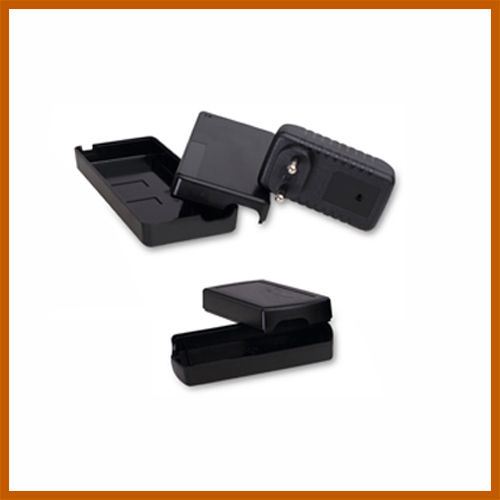
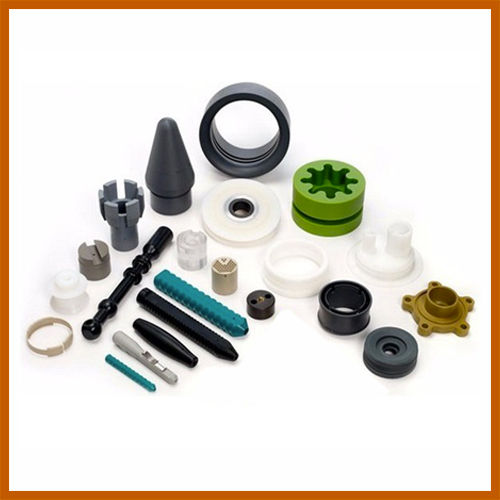
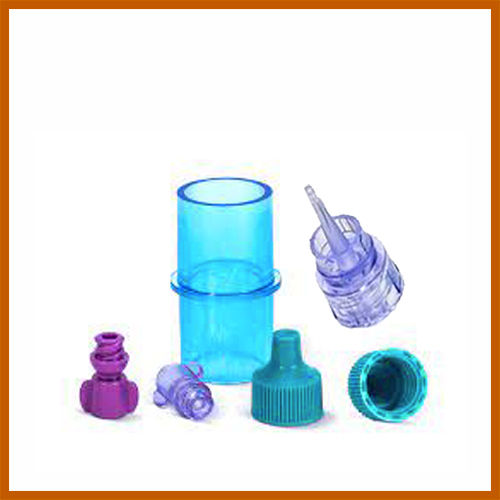
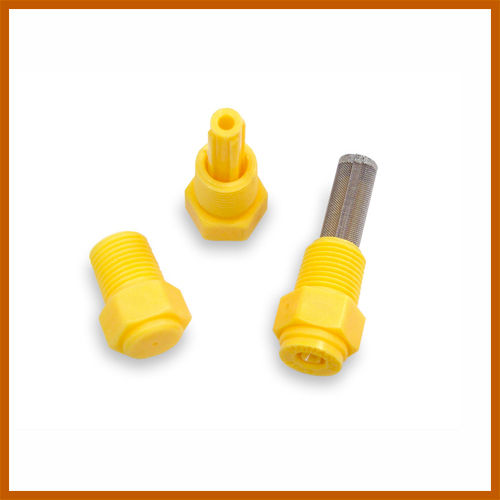
Plastic injection molding is used in the manufacture of various items such as bottle caps, toys, plastic filtration components, automobile components, furniture parts, engineering components, and printing & packaging machine parts.
Generally, plastic moulding is used in the following industries:
- Agriculture
- Automobile
- Construction
- Healthcare
- Printing
- Packaging
- Pharmaceutical
- Textile
The following are some of the advantages of injection or plastic moulding:
- A high degree of efficiency and fast production
- Enhanced precision and strength
- Design of complex parts
- Material & colour flexibility
- Reduction of waste
Versatile Applications Across Industries
The injection moulding process is engineered to serve various sectors, including automotive, electronics, and consumer goods. Its adaptability in handling different plastic materials and finish types makes it suitable for a broad range of product requirements, supporting innovation and durability across market segments.
Precision Engineering and Long Mould Life
Built with P20 steel and advanced design software, these moulds deliver exceptional hardness and maintain tolerances up to 0.01 mm. Single or multiple cavity options and a mould life reaching up to 1,000,000 shots ensure reliability and cost-efficiency for high-volume manufacturing.
FAQ's of Injection Moulding:
Q: How is injection moulding beneficial for automotive and electronics applications?
A: Injection moulding offers precise tolerances and a high-quality finish, making it ideal for automotive and electronics parts that require durability, accuracy, and a refined surface. Using materials like ABS, PC, PP, and PE, it supports complex geometries and bulk production efficiently.Q: What types of finish can be achieved with this moulding process?
A: The system provides both high gloss and matte finishes, depending on the application needs. The P20 steel mould, polished surface treatment, and controlled ejection system contribute to a uniform and aesthetically pleasing appearance on finished products.Q: When should I opt for a hot runner versus a cold runner system?
A: A hot runner system is advantageous for reducing material waste and cycle times in large-scale production, while a cold runner system offers simplicity and lower initial costs. Your choice depends on volume requirements and product complexity.Q: Where is this injection moulding solution supplied and manufactured?
A: This product is distributed, manufactured, supplied, and traded in India by qualified professionals offering extensive support from design to final delivery, including customized packaging in wooden boxes for secure transit.Q: What design software is compatible with your moulding process?
A: Our injection moulding solutions can be designed using UG, Pro-E, AutoCAD, and Solidworks, enabling precise development and modifications to meet varied client specifications and optimize production outcomes.Q: How is the mould life determined and what maintenance is required?
A: Mould life ranges between 500,000 to 1,000,000 shots, influenced by material choice and operational conditions. Routine inspections and proper maintenance, including cleaning and lubricant application, help maximize mould longevity.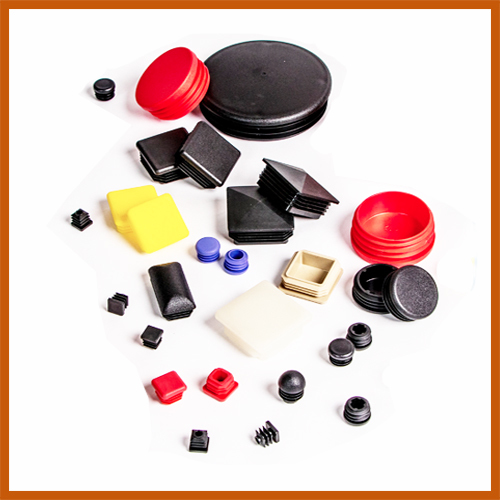

Price:
- 50
- 100
- 200
- 250
- 500
- 1000+


No Flame Gas Off Feature, With Product Liability Insurance
 Send Inquiry
|


Our Products



 Send Inquiry
 Send SMS
Developed and Managed by Infocom Network Private Limited.
